
NXP TDA18250BHN/C1: A Comprehensive Technical Overview of a High-Performance Silicon Tuner
The evolution of television and set-top box technology has been significantly driven by advancements in integrated circuit design, particularly in the domain of tuners. The transition from bulky can-type tuners to sophisticated silicon-based solutions marks a pivotal shift towards miniaturization, improved performance, and enhanced integration. The NXP TDA18250BHN/C1 stands as a prime exemplar of this progress, representing a state-of-the-art silicon tuner engineered for high-performance digital TV reception.
Architectural Innovation and Core Technology
At its heart, the TDA18250BHN/C1 is a fully integrated silicon tuner designed for zero-IF (ZIF) or low-IF (LIF) reception. This architecture integrates all critical RF functions onto a single die, including a Low-Noise Amplifier (LNA), a frequency synthesizer, and a complex mixer. The device supports a wide input frequency range from 42 MHz to 1002 MHz, making it capable of handling all major global terrestrial (DVB-T, ATSC, ISDB-T, DTMB) and cable (DVB-C) standards. Its ability to demodulate signals from a vast spectrum of channels into baseband I/Q signals directly is a cornerstone of its design, eliminating the need for external SAW filters and numerous discrete components, thereby simplifying board design and reducing the overall bill of materials (BOM).
Key Performance Characteristics
The performance metrics of this tuner are where it truly distinguishes itself.
Exceptional Sensitivity and Noise Figure: The device boasts an ultra-low noise figure, which is critical for pulling in weak signals clearly and reliably, especially in fringe reception areas.
Superior Linearity and Interference Rejection: With excellent linearity parameters (such as high IIP2 and IIP3), the tuner can handle strong adjacent channels and blocking signals without distortion. This robust interference rejection capability ensures a stable picture quality even in electrically noisy environments.
Low Power Consumption: Despite its high performance, the TDA18250BHN/C1 is designed for efficiency, operating with a single 3.3V supply and consuming remarkably low power, a crucial factor for modern energy-conscious designs.
Integrated Channel Filter: The on-chip channel select filter is programmable, allowing it to adapt its bandwidth to match the specific requirements of different broadcast standards (e.g., 6, 7, or 8 MHz channel bandwidths).
Package and Application
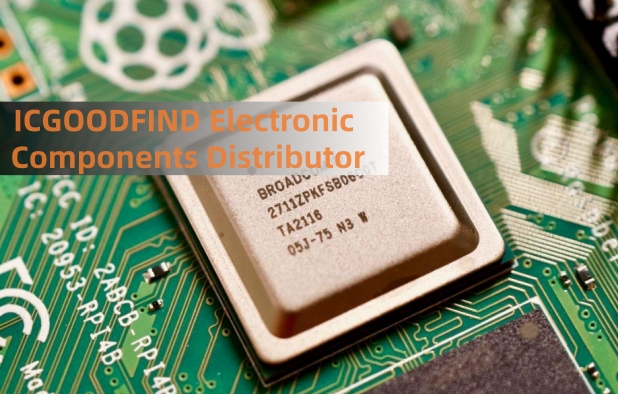
Housed in a compact, surface-mount HVQFN40 package, the tuner is ideal for space-constrained applications like slim LED TVs, set-top boxes, and USB dongles. Its design emphasizes ease of integration, communicating with the host demodulator via a standard I2C-bus interface. Furthermore, it features an integrated AGC (Automatic Gain Control) loop, which can be configured to work with the subsequent demodulator to optimize the signal level dynamically, ensuring the best possible reception under varying signal conditions.
Conclusion and Summary by ICGOODFIND
ICGOOODFIND: The NXP TDA18250BHN/C1 is a benchmark in silicon tuner technology, masterfully balancing high-performance RF reception with the demands of modern consumer electronics for miniaturization and power efficiency. Its high level of integration reduces design complexity and cost, while its robust performance across a global range of standards makes it a versatile and reliable choice for designers. This tuner is a key enabler for producing next-generation entertainment devices that deliver superior picture and sound quality to consumers worldwide.
Keywords: Silicon Tuner, High Integration, Low Noise Figure, DVB-T/C, I2C-bus Interface.

